

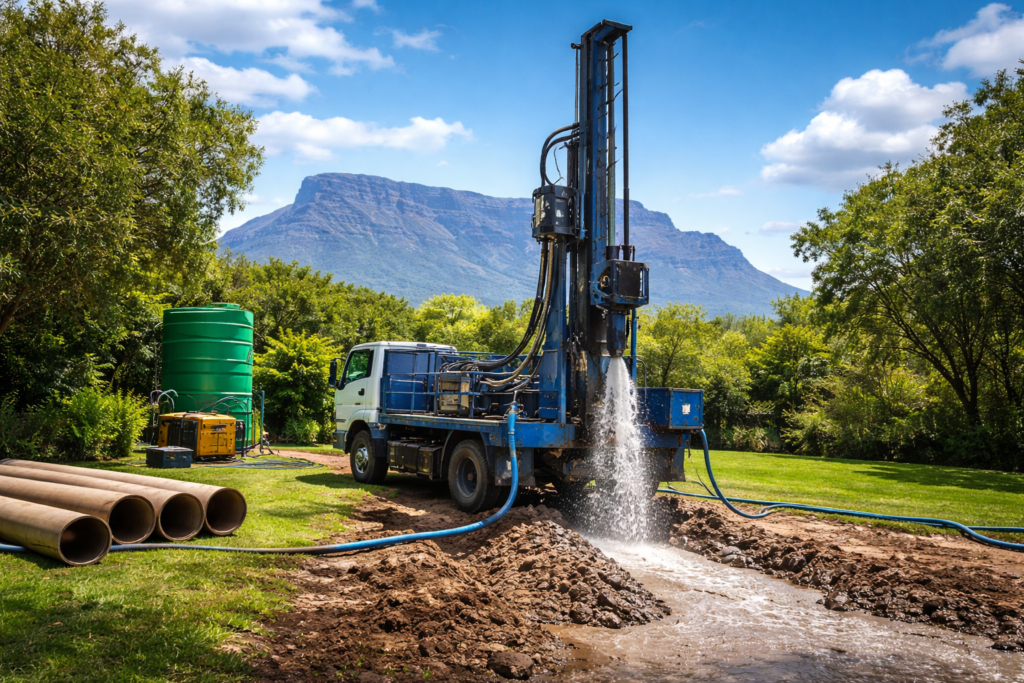
Utilizing state-of-the-art rotary drilling rigs equipped with diamond-tipped bits, we penetrate through various geological layers—such as rock, clay, or gravel—to reach aquifers that can provide hundreds of liters of water per hour. This service is particularly valuable in regions with variable water tables or where surface water is unreliable.Our comprehensive approach starts with an in-depth site survey, including hydrogeological assessments to determine the optimal drilling location, expected depth (ranging from 30 to 200 meters or more based on local geology), and potential yield. We employ advanced techniques like electrical resistivity tomography to map underground water sources accurately. Drilling is conducted in phases: first, creating a pilot hole; then, reaming to the desired diameter (typically 150-250mm); followed by installing steel or PVC casing to prevent collapse and contamination. Screens and gravel packs are added to enhance water flow while filtering out debris. Finally, we install submersible or surface pumps, along with optional accessories like pressure tanks, filtration units (e.g., for iron or bacteria removal), and solar-powered options for off-grid sustainability.
Frequently Asked Questions (FAQs)
Borehole depth depends on groundwater availability and property requirements. Typically, we drill between 50–200 meters, ensuring a reliable water supply for residential, commercial, and agricultural needs.
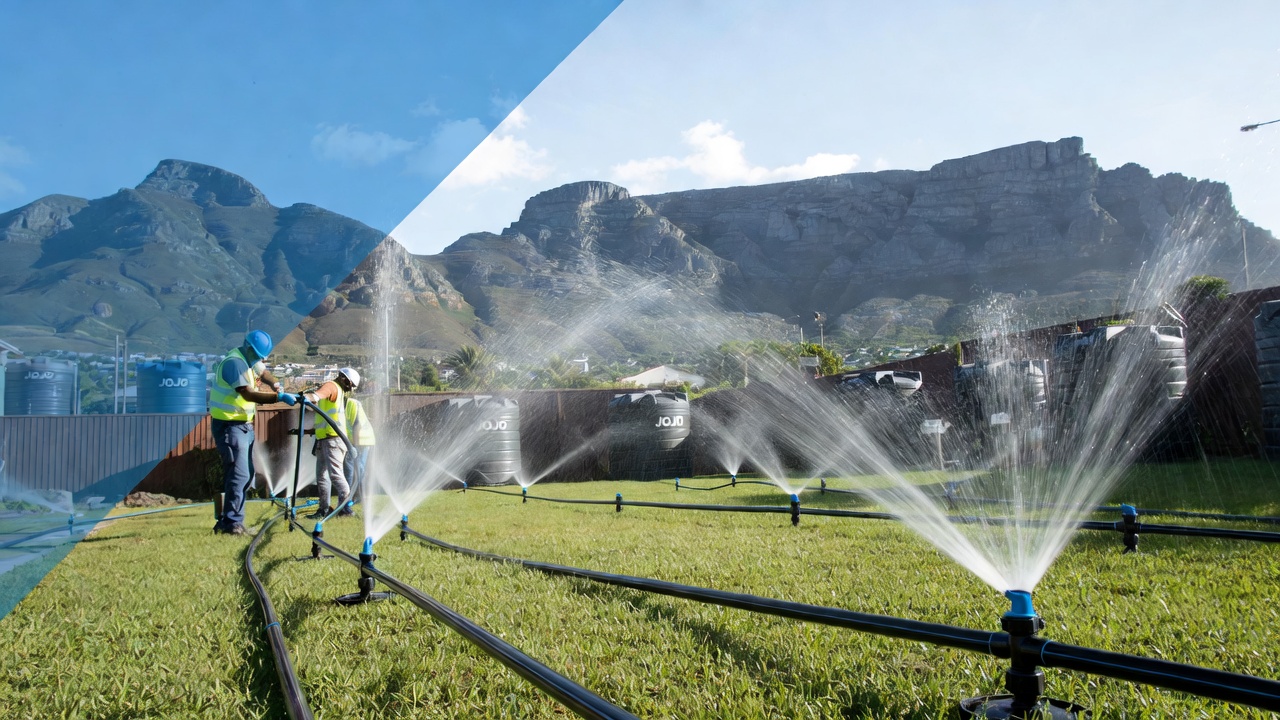
Yes! Boreholes can be connected to irrigation systems, JoJo tanks, and household plumbing, providing a versatile and sustainable water source.
Yes. We comply with all local regulations, including permits and environmental considerations. Our team ensures safe, legal, and efficient drilling.